NASA’s SpaceX Crew-12 Dragon spacecraft undocked from the International Space Station at 8:05 a.m. EDT on October 7, carrying Jessica Meir, Jack Hathaway, Sophie Adenot and Andrey Fedyaev home. NASA is targeting splashdown off California at approximately 11:34 a.m. EDT on Thursday, October 8; recovery timing can still change.
That departure closes the crew’s station stay, but it does not turn every experiment into a finished result. Crew-12’s science recap spans crystals, cells, microbes and in-space manufacturing. The useful question is what each investigation set out to measure—and what still needs follow-up on Earth.
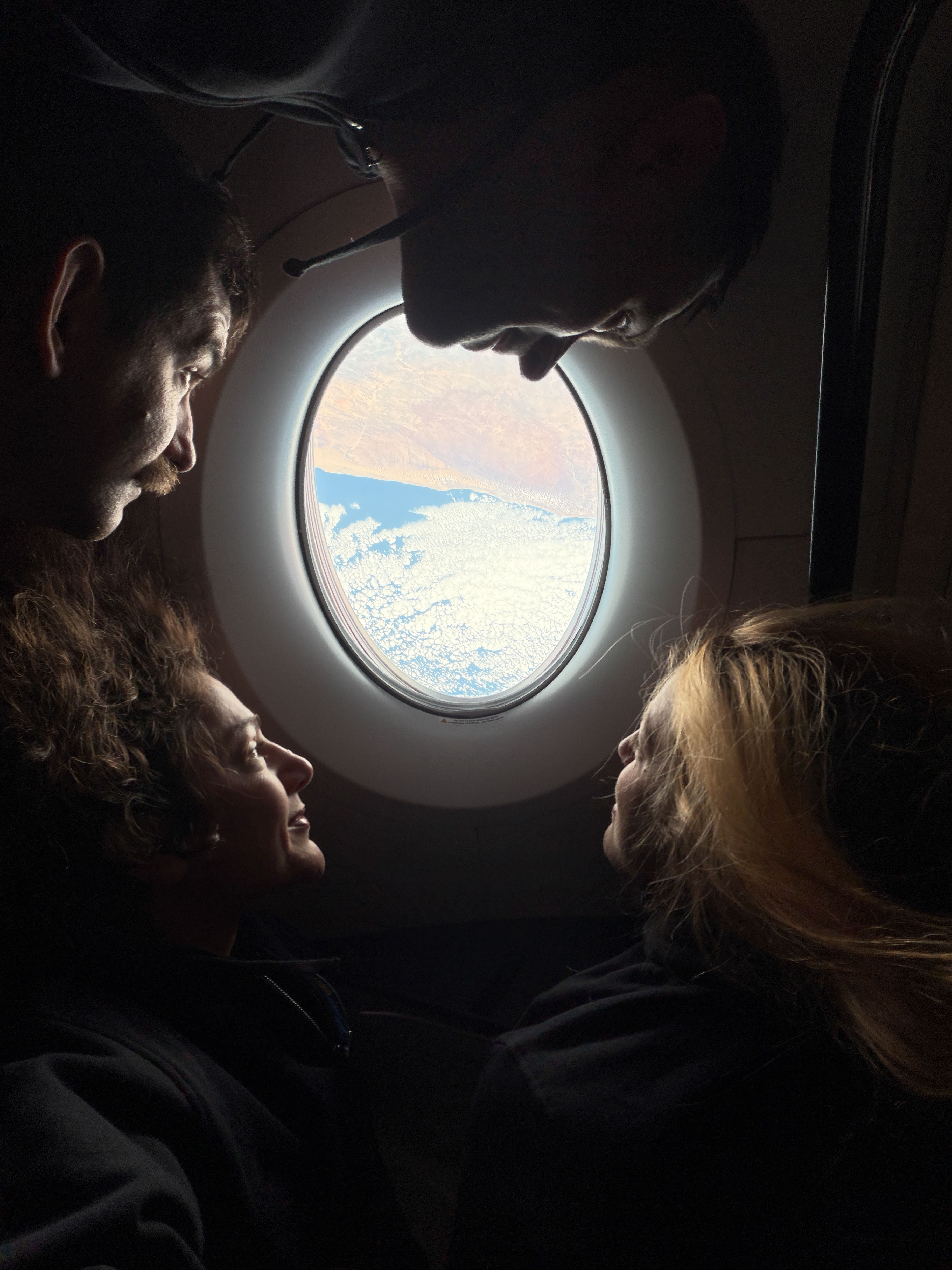
What happens between undocking and splashdown?
Undocking separates Dragon from the station; it is not the moment the crew reaches Earth. The spacecraft then follows its return plan, with NASA and SpaceX monitoring the vehicle and recovery conditions before splashdown. NASA’s live return coverage is scheduled to resume at 10:20 a.m. EDT on October 8 and continue through the planned landing.
The times are operational targets, not a guarantee that conditions cannot shift. NASA says the planned splashdown is off the California coast. The agency’s live updates are the right place to check for any change in timing or location.
What did Crew-12 investigate?
The station science program covered several different questions. NASA’s mission recap describes crystal-growth work connected with cancer-targeting treatments, studies of bone and cartilage, observations of microbes, quantum science, and tests of manufacturing and supplies in orbit.
- Crystals and soft materials: researchers examined how crystals and suspended particles form or interact in microgravity.
- Cells and tissue: investigations examined bone, bone marrow and engineered cartilage, including how spaceflight conditions affect biological systems.
- Microbes and operations: other work examined bacterial adaptation and whether crews can produce or manufacture useful items when resupply is limited.
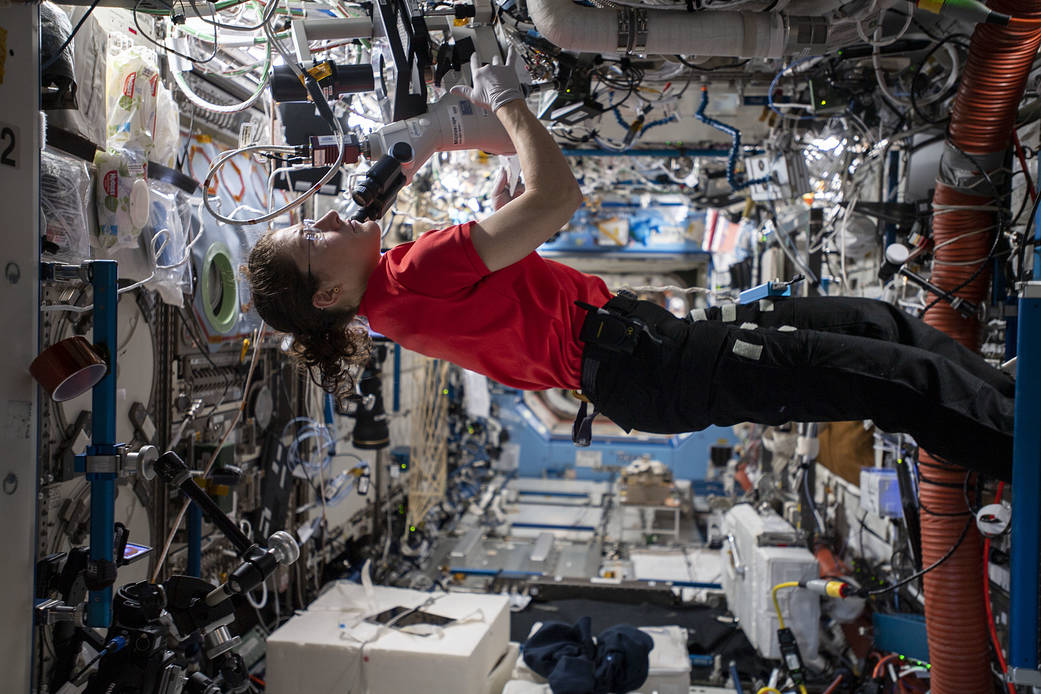
Why use the station as a laboratory?
Microgravity changes the environment in which fluids, crystals, cells and particles behave. That lets researchers isolate questions that are harder to study under Earth’s gravity. It does not mean a station experiment automatically produces a new medicine or a ready-to-use technology; NASA describes research goals and ongoing evaluations, not a blanket set of proven applications.
For example, NASA says the crystal work aims to improve understanding of properties relevant to pharmaceutical research. Cell and tissue studies may help investigators understand changes associated with spaceflight and explore possible applications. Those are research pathways: results need analysis and further testing before anyone can claim a clinical benefit.
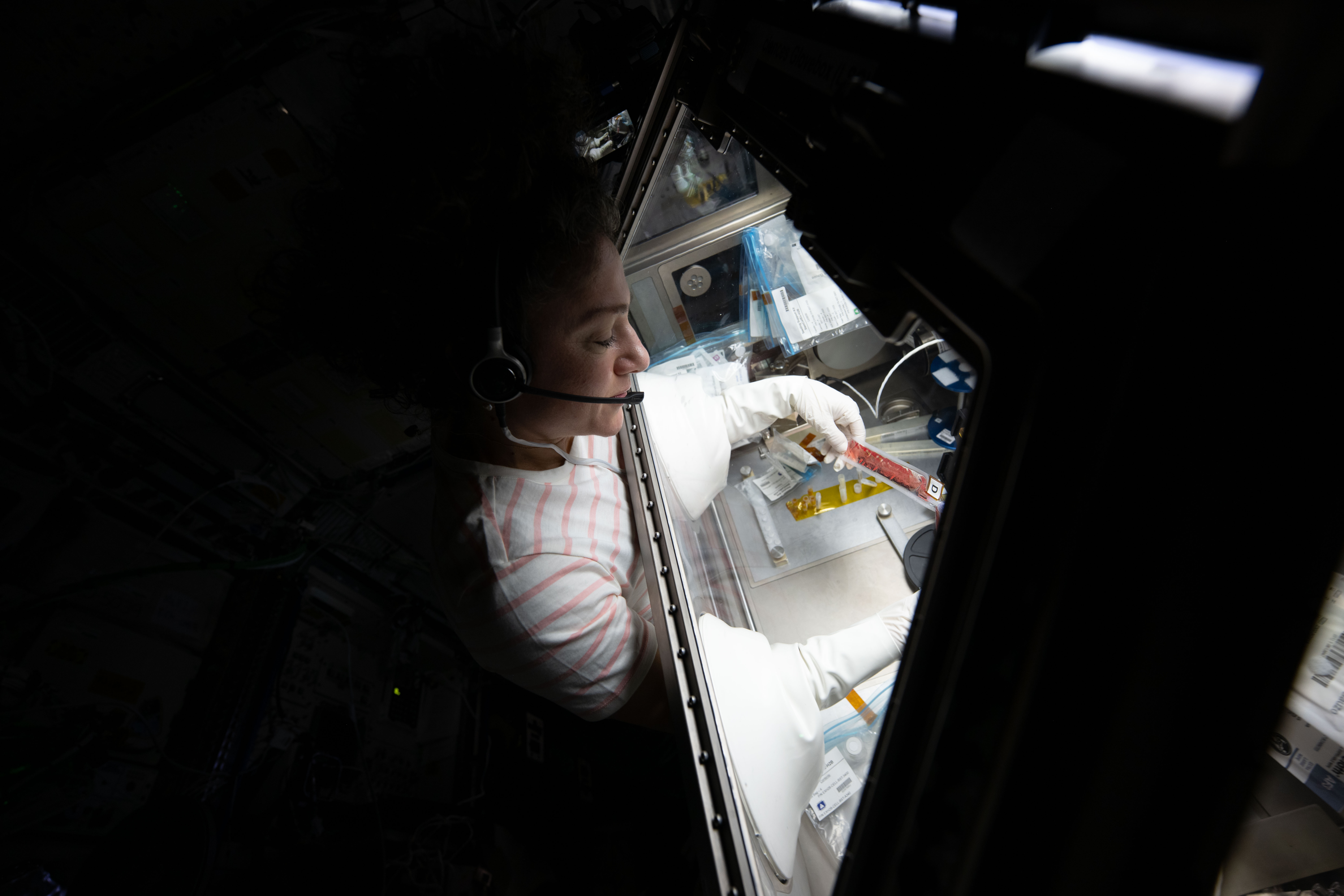
What should readers watch next?
There are two separate updates to follow: the crew’s return, and the later scientific analysis of the investigations. NASA’s latest post confirms that Dragon undocked on October 7 and gives the current splashdown target. The science recap explains what the experiments set out to study; it should not be read as evidence that every intended benefit has already been demonstrated.
Check NASA’s Crew-12 return update for schedule changes and its science recap for the investigations. The next meaningful milestone is the confirmed splashdown, followed by results as investigators publish them.